
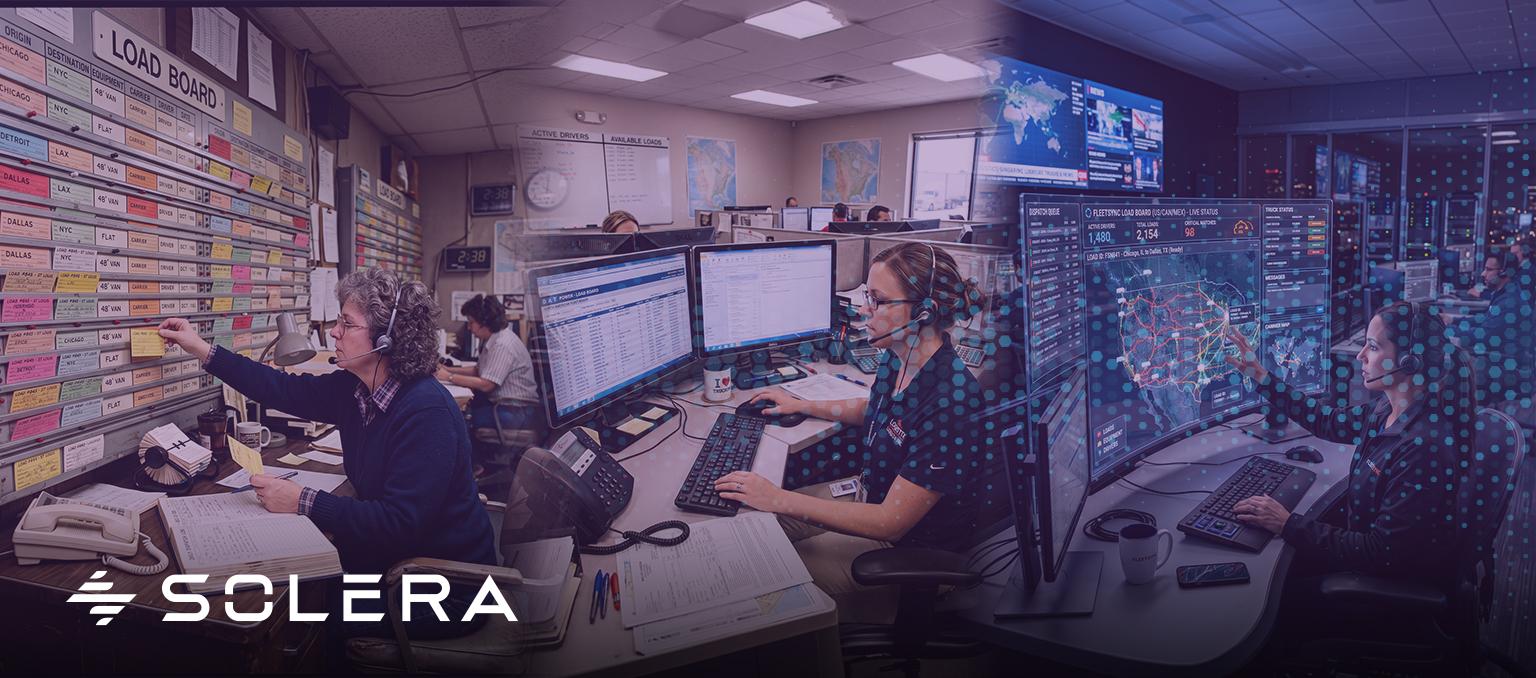
Load boards changed the way freight moves. They gave brokers faster access to capacity, gave carriers greater visibility into available freight, and helped an industry traditionally built on phone calls and personal networks operate more efficiently.
As transportation technology has evolved, those capabilities have only become more sophisticated. Brokers and carriers have access to more information, more opportunities, and more ways to connect than ever before.
But more access doesn’t necessarily mean more confidence.
For brokers, finding a truck isn’t the same as finding the right carrier. Every time a broker hands freight to a carrier, they’re also trusting that carrier with the customer experience. Reliability, communication, service, and consistency all matter.
For carriers, the same principle applies. Finding the next available load can keep a truck moving, but building relationships with brokers who understand their capabilities and value their service can create opportunities that extend well beyond a single shipment.
That’s why the next evolution of load boards isn’t simply about providing more listings. It’s about helping transportation businesses build stronger networks.
Load Boards Solved the Access Problem
The fundamental value of a load board has always been straightforward: connect freight with capacity.
That solved an important challenge for both sides of the transportation market. Brokers could expand their search for available trucks, while carriers could identify freight that matched their needs without relying exclusively on existing contacts.
Technology made those connections faster and expanded the number of potential partners transportation businesses could reach.
But access is only the first step.
As the freight market has become more connected, brokers and carriers face another challenge: determining which opportunities and relationships are worth pursuing.
A long list of available capacity creates options. It doesn’t necessarily tell a broker which carrier they want representing their business and serving their customer. Likewise, access to available freight doesn’t automatically tell a carrier which broker relationships could become valuable sources of repeat business.
That requires something technology alone can’t manufacture: trust.
Why Relationships Still Matter in a Digital Freight Market
Consider the difference between working with an unfamiliar transportation partner and working with someone you’ve successfully worked with before.
There is already a level of familiarity. Both sides understand how the other communicates, what they expect, and how they operate. Instead of beginning every shipment from zero, they’re building on an established relationship.
Over time, those relationships can become an important part of how transportation businesses operate.
For brokers, a strong network of carrier relationships can provide a group of transportation partners they know and can turn to when opportunities arise. For carriers, strong broker relationships can create greater familiarity with the types of freight, lanes, and service expectations that come with those opportunities.
The individual load still matters. But so does what can come after it.
A successful shipment can become another opportunity. Repeated opportunities can become a relationship. And those relationships can eventually become part of a stronger transportation network.
From Load Boards to Trusted Transportation Networks
This is where freight technology has an opportunity to evolve beyond the traditional load board model.
The goal shouldn’t only be to create more connections. It should be to help create better ones.
A load board can help solve today’s capacity problem. A trusted transportation network can help businesses develop relationships that make future opportunities easier to navigate.
That doesn’t mean relationships replace technology. The two should work together.
Technology can make it easier to discover opportunities, connect with transportation partners, and communicate across a network. Relationships provide the trust and familiarity that can make those connections more valuable over time.
As freight becomes increasingly digital, the most useful technology will be technology that supports both.
Technology Should Make Relationships Easier to Scale
The transportation industry will continue to change. New technology will make information more accessible, processes more efficient, and connections easier to make.
But freight will remain a relationship-driven business.
Brokers still need confidence in the carriers moving their customers’ freight. Carriers still need quality opportunities and broker relationships that can help their businesses grow.
The role of technology should be to support those relationships, not remove them from the equation.
That’s the idea behind the Sylectus transportation network. Sylectus connects brokers and carriers in an environment designed to help transportation businesses find opportunities, connect with trusted partners, and develop relationships that can extend beyond a single shipment.
Because the future of freight isn’t simply about having access to more options. It’s about building a network of the right ones.
Build stronger transportation partnerships through the Sylectus network.
