
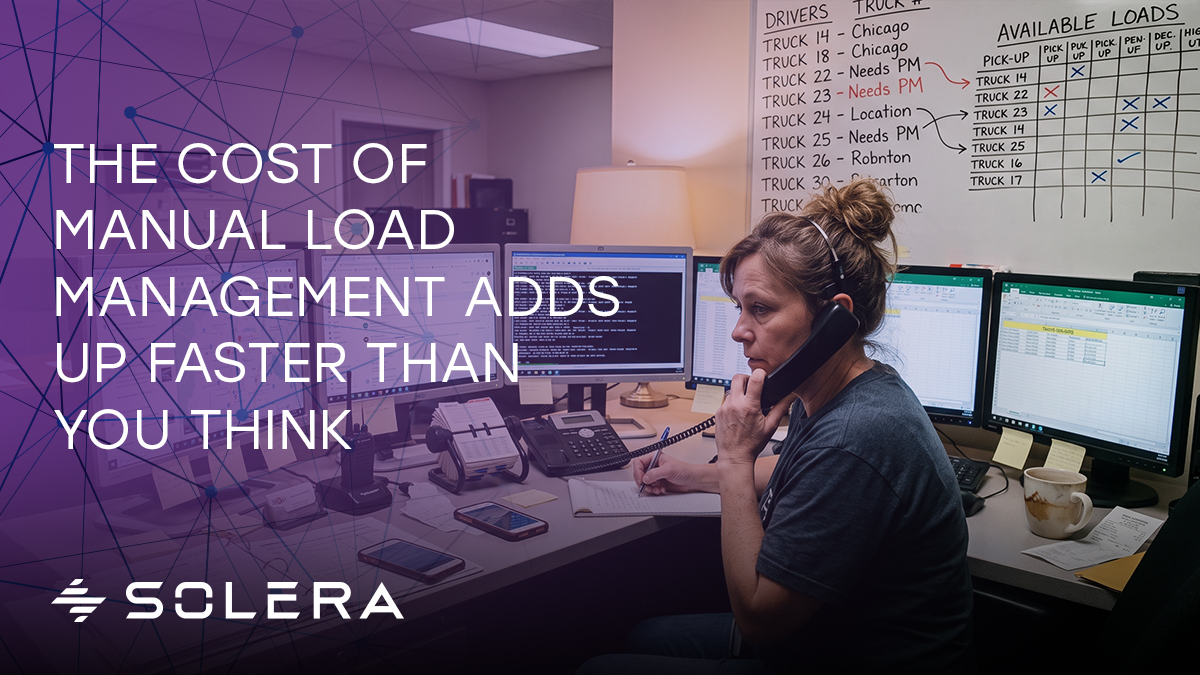
Running a small fleet often means wearing multiple hats. One minute you’re talking to a customer about a load status. The next, you’re helping a driver solve a problem, reviewing paperwork, updating dispatch information, or following up on invoices.
Many fleet owners assume that being busy means being productive. But as operations grow, more time gets consumed by routine tasks that don’t directly generate revenue or improve service.
The challenge isn’t usually a lack of effort. It’s that small inefficiencies add up throughout the day. Let’s look at some of the most common areas where small fleets lose time and how these inefficiencies can impact the business.
1. Driver Status Updates
Communication is essential for trucking. Drivers need support, dispatchers need information, and customers need updates. But when dispatchers spend hours each day making phone calls, sending texts, or waiting for updates, valuable time gets pulled away from more strategic tasks.
While occasional check-ins are expected, constantly tracking down information can make it difficult to stay ahead of changing conditions.
The impact:
- More interruptions throughout the day
- Slower response times
- Less time spent planning and coordinating operations
2. Searching for Information
Have you ever spent several minutes searching for:
- A delivery confirmation
- A customer contact
- Rate information
- Driver paperwork
- Load details
Individually, these tasks seem minor. Across dozens of loads and multiple employees, however, they can consume a significant amount of time each week.
When information is spread across multiple spreadsheets, email inboxes, text messages, and physical documents, finding answers often takes longer than it should.
The impact:
- Delayed decision making
- Increased administrative work
- Higher risk of errors
3. Providing Customer Updates
Customers expect visibility, so whether it’s a broker, shipper, or freight partner, they want timely and accurate information about their freight. When load updates require multiple phone calls or messages to gather information, customer communication becomes more time-consuming than necessary.
The larger the fleet becomes, the more difficult that process can be to maintain consistently.
The impact:
- More time spent responding to requests
- Increased workload for dispatch
- Inconsistent customer experiences
4. Managing Paperwork
Paperwork remains one of the most time-consuming parts of fleet operations. Bills of lading, delivery confirmations, driver documents, invoices, and other records all need to be collected, reviewed, organized, and stored.
When paperwork isn’t processed efficiently, it often creates delays elsewhere in the business.
The impact:
- Administrative bottlenecks
- Difficulty locating documents
- Increased workload for office staff
5. Invoicing Delays
Moving freight generates revenue. Getting paid requires paperwork, documentation, and invoicing. Many fleets discover that revenue can be delayed simply because information isn’t available when it’s needed.
Missing documents, manual processes, and disorganized records can all slow the billing process.
The impact:
- Slower cash flow
- Additional administrative effort
- Delayed payments
Small Inefficiencies Become Big Problems
Most small fleets don’t lose time because of one major problem. Instead, they lose time through dozens of small inefficiencies that occur every single day. A five-minute delay here, a phone call there, a traffic jam, a document that’s hard to find, and a customer update that takes longer than expected.
Individually, these issues may not seem significant. Together, they can create hours of extra work every week and make it harder to focus on growing the business.
The first step toward improving efficiency is simply recognizing where time is being lost.
Conclusion
Small fleet owners and dispatchers work hard to keep operations moving. But being busy isn’t always the same as being efficient.
By identifying common time drains such as manual communication, searching for information, paperwork management, customer updates, and invoicing delays, fleets can begin evaluating where operational improvements could have the greatest impact.
The goal is not to work harder. It’s to spend more time on the activities that move the business forward.
Learn how growing fleets centralize operations, improve visibility, and reduce administrative work with Sylectus TMS.

Leave A Comment
You must be logged in to post a comment.